
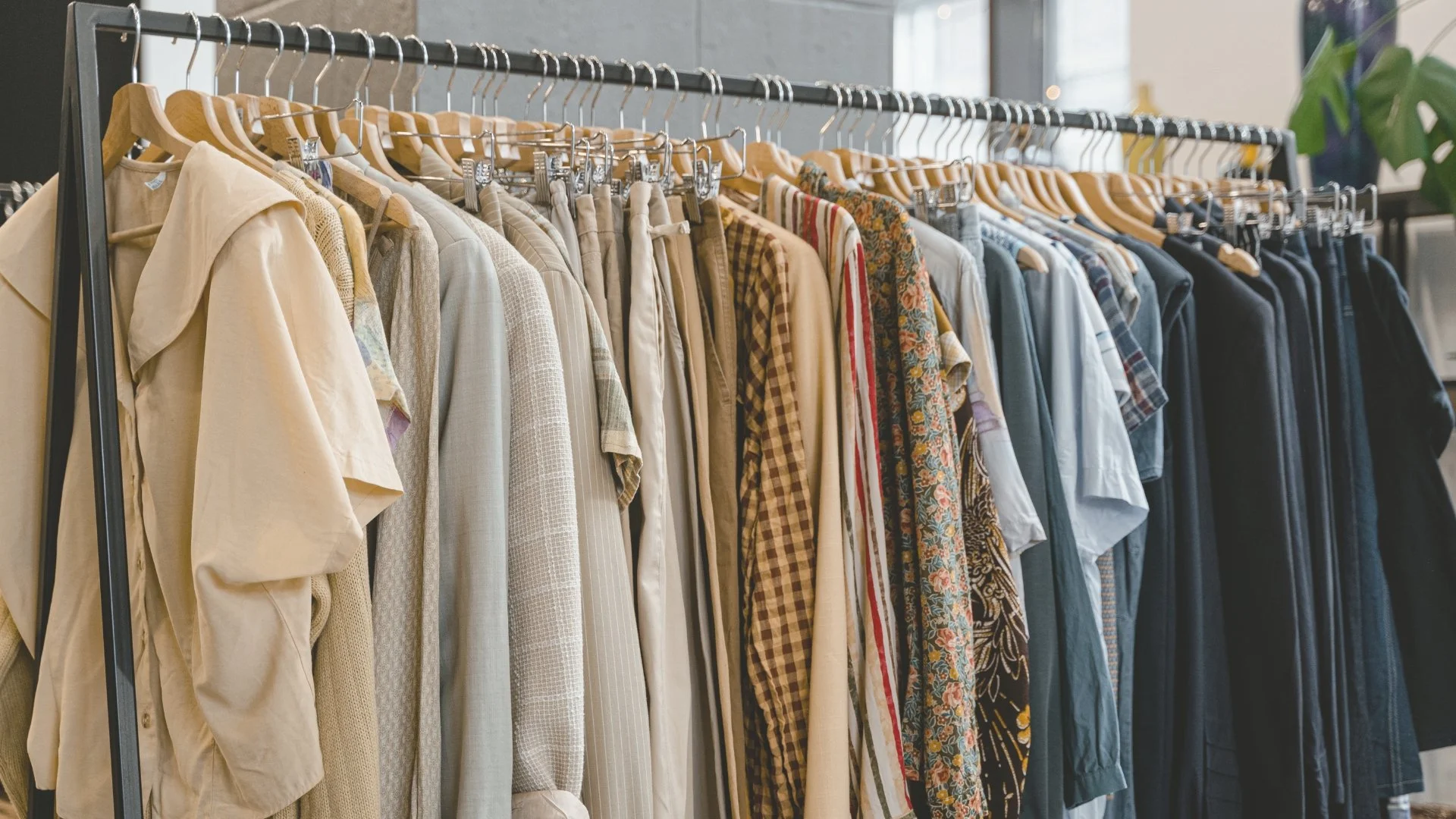
How to Develop a Private Label Clothing Line for Your Boutique
Ready to take your boutique beyond wholesale? Developing a private label clothing line can help you differentiate your assortment, strengthen your brand identity, and create products your customers can't find anywhere else. But turning that idea into a profitable collection takes more than finding a manufacturer.
With 25 years of experience in the apparel industry, ARD Fashion Consulting founder Amanda Rango understands what it takes to bring a product from concept to customer. In this guide, Amanda walks you through how to evaluate your boutique's readiness, build a product strategy, plan your budget, navigate sourcing and development, and bring your collection to market.
Whether you're exploring private label for the first time or preparing to take the next step in your business, you'll learn what to consider before investing in your own line.
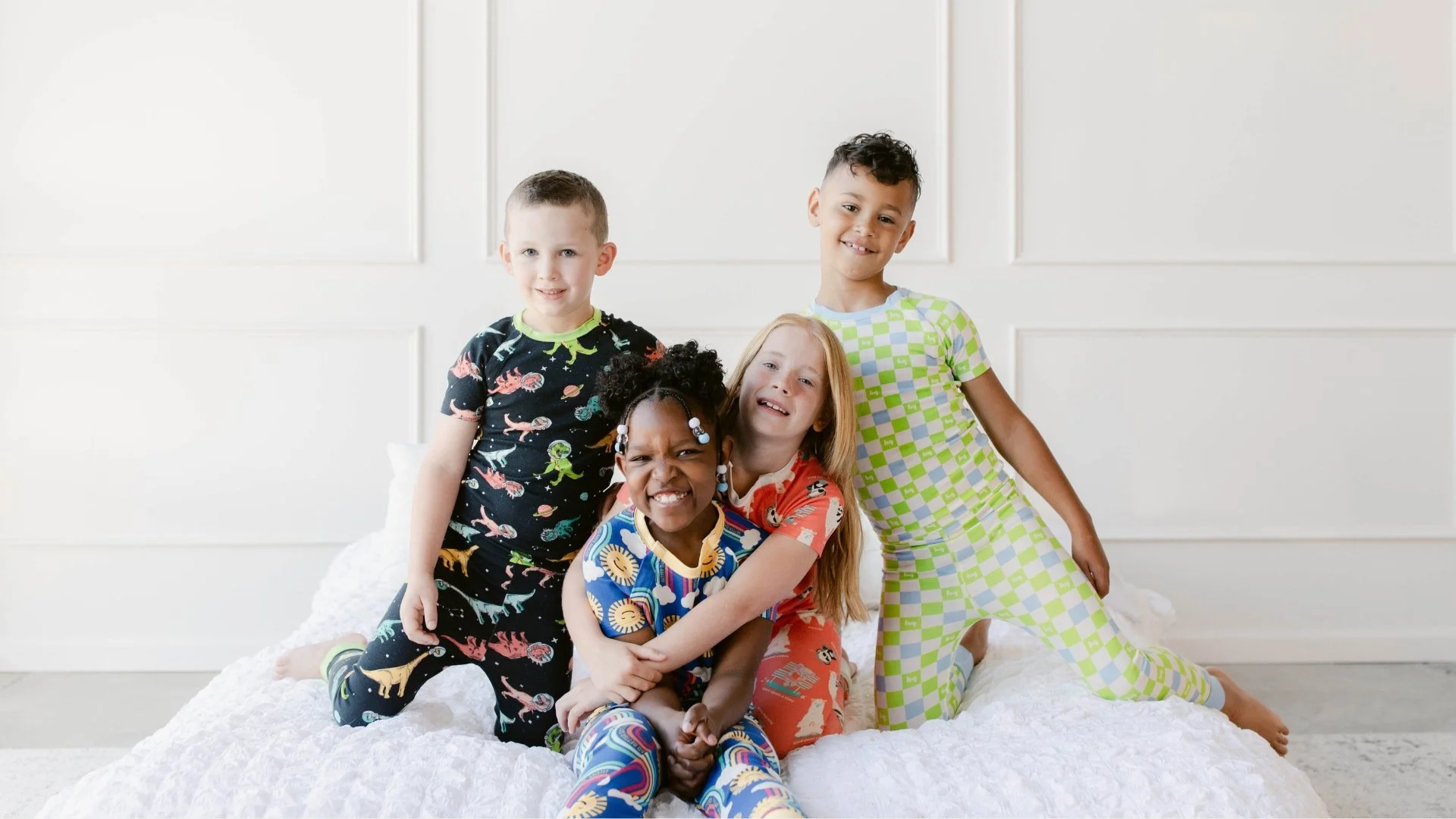
Children’s Sleepwear: What Fashion Founders Need to Know About Product Development & Safety
Creating children’s sleepwear is about more than choosing a cute print and a really soft fabric. From fit and fabric selection to flammability, construction, testing, and labeling, there are important considerations that need to be built into the product from day one.
Written by Amanda Rango of ARD Fashion Consulting, with years of specialized experience creating children’s pajama brands from scratch, we’re breaking down what fashion founders need to know about developing children’s sleepwear, including the safety requirements that can impact your product, timeline, and budget.
When it comes to kids’ apparel, safety isn’t a final checkbox. It’s part of the product development process.

How to Develop a Children’s Sleepwear Collection: From Concept to Production
Developing a children's sleepwear collection may seem straightforward. After all, it's "just pajamas," right?
In reality, children's sleepwear has unique considerations around customer needs, fabric, fit, construction, safety, testing, and production.
From determining what your customer needs to ensuring the final product is technically sound and production-ready, many decisions happen between the initial idea and the finished garment.
With extensive experience developing children's sleepwear, ARD Fashion Consulting understands the nuances of bringing these products from concept to production.
In this guide, we'll walk through the key stages of developing a children's sleepwear collection and what founders should consider at each step.

From Doer to Leader: How Fashion Founders Can Step Away From the Business
When you start a fashion brand, being involved in everything isn’t just normal; it’s necessary.
You are the strategist, product developer, marketer, customer service representative, production manager, and sometimes even the person packing orders at midnight. But as your business grows, the role that helped you build the business can eventually become the thing that prevents it from growing.
The transition from doer to leader is one of the most important, and often most uncomfortable, shifts a founder can make.
In this blog, Amanda Rango of ARD Fashion Consulting walks founders through what “stepping away” from your business really means, and how creating space from the day-to-day allows you to step into a more strategic leadership role.

Why Fashion Brands Shouldn’t Rely on Their Manufacturer for Product Development
For many fashion founders, their manufacturer becomes one of their most important early partners. A great factory can help turn an idea into a tangible product while providing expertise in materials, construction, sampling, and production.
But as your brand grows, the relationship needs to evolve.
Your manufacturer should help execute your product strategy—not own it.
Your brand should know what you're making, who it's for, how it should fit, what it needs to cost, and why it belongs in your assortment. When that knowledge lives primarily with your factory, your business can quickly become dependent on one vendor.

How to Pitch Your Fashion Brand to Retailers: A Wholesale Guide for Growing Brands
For many founders, wholesale feels like the natural next step for growth. But getting a retail buyer's attention requires more than a great product and a compelling story. It requires a brand that is prepared to meet the demands of a wholesale partnership.
At ARD Fashion Consulting, a common question we hear from growing founders is, "How do I get my products into retail stores?" My answer is always the same: before you pitch a buyer, make sure your brand is retail-ready.
After 20 years in corporate retail and the last five years helping independent apparel brands grow, I've learned that buyers aren't just evaluating your products. They're evaluating whether your business can consistently deliver on quality, production, and partnership.
In this guide, we'll cover how to determine if your brand is ready for wholesale, what retail buyers are looking for, and how to confidently position your business for long-term retail success.

Choosing the Right Sales Channels for Your Fashion Brand: Pros, Cons & How to Decide
One of the biggest decisions fashion founders face isn’t just what to create; it’s deciding how to sell it.
From launching a direct-to-consumer website to pursuing wholesale partnerships, choosing the right sales channels can have a major impact on your brand’s growth and profitability.
At ARD Fashion Consulting, we’ve seen firsthand how the right distribution strategy can help a brand scale, and how choosing the wrong channel too early can create unnecessary challenges.
This guide breaks down the most common sales channels for fashion brands, the advantages and challenges of each, and what founders should consider when building a sales strategy that supports their long-term vision.
Becoming Ready Before You Feel Ready: How Fashion Founders Build Confidence Through Action
If I had a coffee with every aspiring fashion founder I've met over the past 25 years, I'd hear the same thing almost every time:
"I've had this idea for years, but I don't think I'm ready yet."
Whether they're coming from the fashion or starting completely from scratch, most founders share the same fear: that they need more knowledge, more experience, or more confidence before they can begin.
The reality? Very few entrepreneurs ever feel completely ready.
Building a fashion brand isn't about having all the answers before you start. It's about taking the next step, learning as you go, and building confidence through action.
In this blog, Amanda Rango will explore why waiting until you "feel ready" may be the biggest thing holding you back, and how to tell when it's time to move your fashion brand forward.
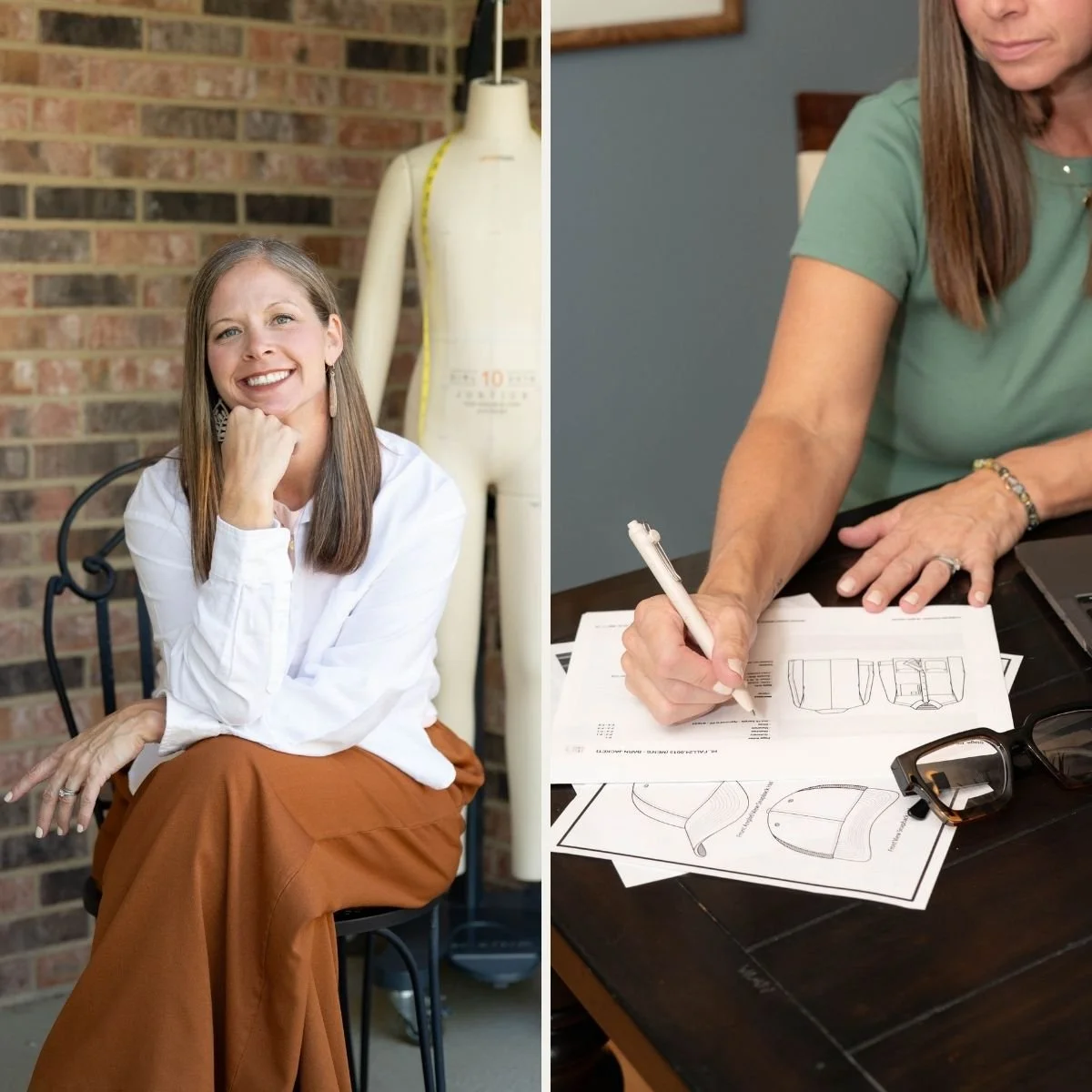
When Should You Hire a Fashion Brand Consultant? A Guide to Choosing the Right Level of Support
Building a fashion brand is exciting—but it can also feel overwhelming.
From product development and sourcing to production timelines and launch planning, there are hundreds of decisions to make, and many founders find themselves wondering whether they should continue figuring it out on their own or bring in expert support.
In this guide, we'll break down what fashion brand consultants actually do, the signs it may be time to seek support, and how to determine the right level of guidance for your brand's current stage of growth.

Predicting Demand: A Fashion Founder’s Guide to Inventory and Demand Planning
One of the biggest challenges fashion founders face isn’t just creating great products; it’s knowing how much inventory to invest in, and when.
Order too little, and you risk stockouts, missed sales, and frustrated customers. Order too much, and suddenly your cash flow is tied up in excess inventory that may take months to move.
At ARD Fashion Consulting, we’ve seen firsthand how inventory planning can either support healthy growth or quietly create operational and financial stress behind the scenes.
This guide breaks down the fundamentals of inventory planning, the most common forecasting mistakes fashion brands make, and how founders can start building smarter inventory strategies that support long-term growth and healthier margins.