
Choosing the Right Sales Channels for Your Fashion Brand: Pros, Cons & How to Decide
One of the biggest decisions fashion founders face isn’t just what to create; it’s deciding how to sell it.
From launching a direct-to-consumer website to pursuing wholesale partnerships, choosing the right sales channels can have a major impact on your brand’s growth and profitability.
At ARD Fashion Consulting, we’ve seen firsthand how the right distribution strategy can help a brand scale, and how choosing the wrong channel too early can create unnecessary challenges.
This guide breaks down the most common sales channels for fashion brands, the advantages and challenges of each, and what founders should consider when building a sales strategy that supports their long-term vision.
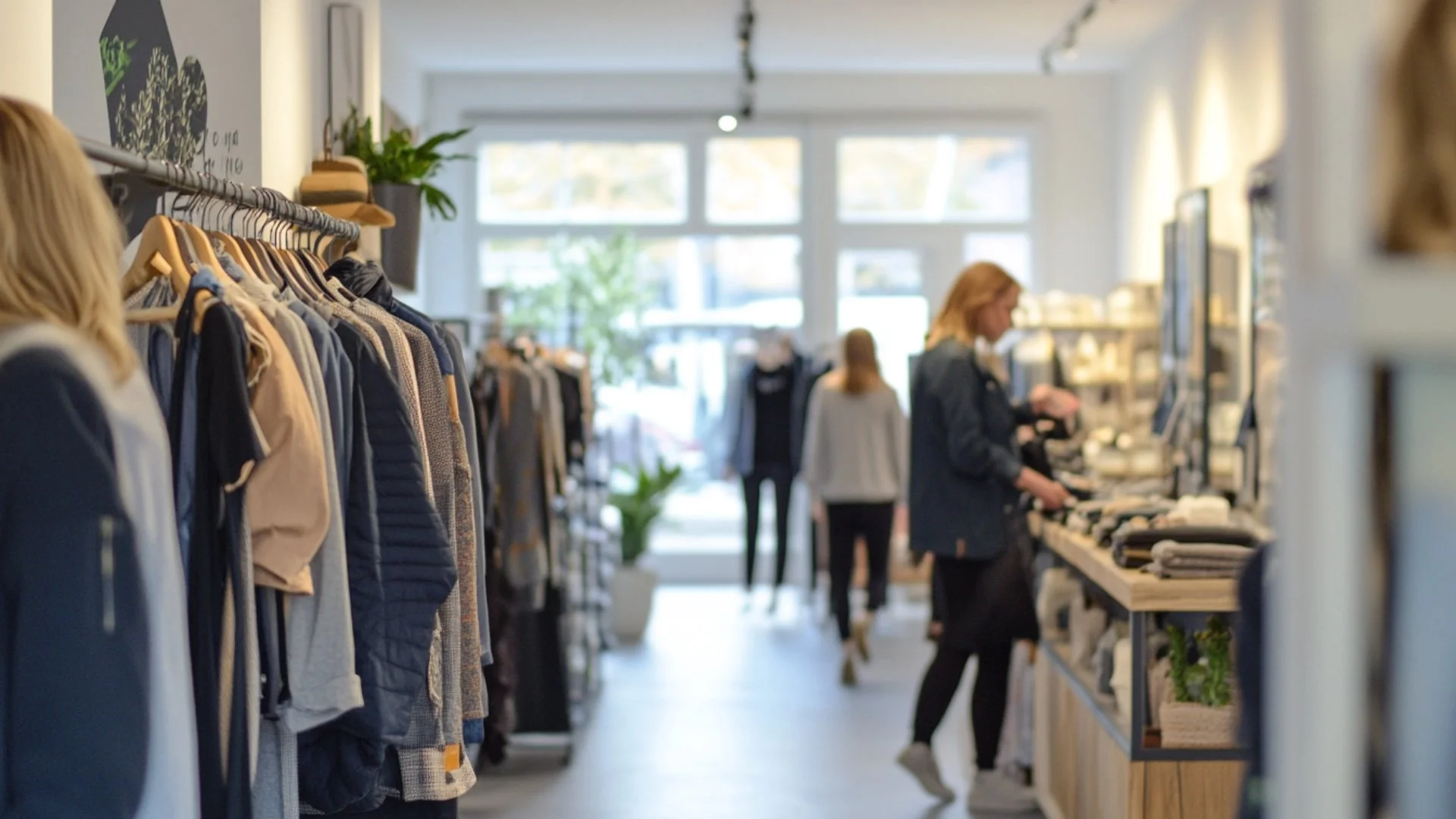
In this guide, we'll break down the most common sales channels for fashion brands, the advantages and disadvantages of each, and how to determine which strategy is right for your business.
Why Your Sales Channel Strategy Matters
Your sales channels impact much more than where your products are sold—they influence your pricing, profit margins, inventory planning, marketing strategy, cash flow, and overall customer experience.
The good news is that you don't have to choose just one sales channel forever. Many successful fashion brands start with one or two channels, refine their operations, and expand strategically as they grow.
The goal isn't to be everywhere—it's to choose the sales channels that best support your brand's current stage, resources, and long-term vision.
Types of Sales Channels for Retail
There are many ways to sell a fashion product, and each comes with its own opportunities and challenges. Understanding how these channels work can help you determine which aligns best with your goals, budget, and stage of business.
Let's explore the most common options.
Direct-to-Consumer (DTC)
Direct-to-consumer (DTC) means selling directly to your customers without a third-party retailer. This is typically done through your own Shopify website or e-commerce store.
For many emerging fashion brands, DTC is often the first sales channel because it offers the greatest control over the customer experience.
Pros
Higher profit margins
Complete control over branding and customer experience
Ownership of customer data and email lists
Greater flexibility with promotions and pricing
Stronger opportunities to build customer loyalty
Cons
You're responsible for generating all website traffic
Marketing costs can be high
Customer service and fulfillment become your responsibility
Growth may be slower without an established audience
Best for:
New fashion brands
Niche products
Founder-led brands building a community
Businesses investing in content marketing and email marketing
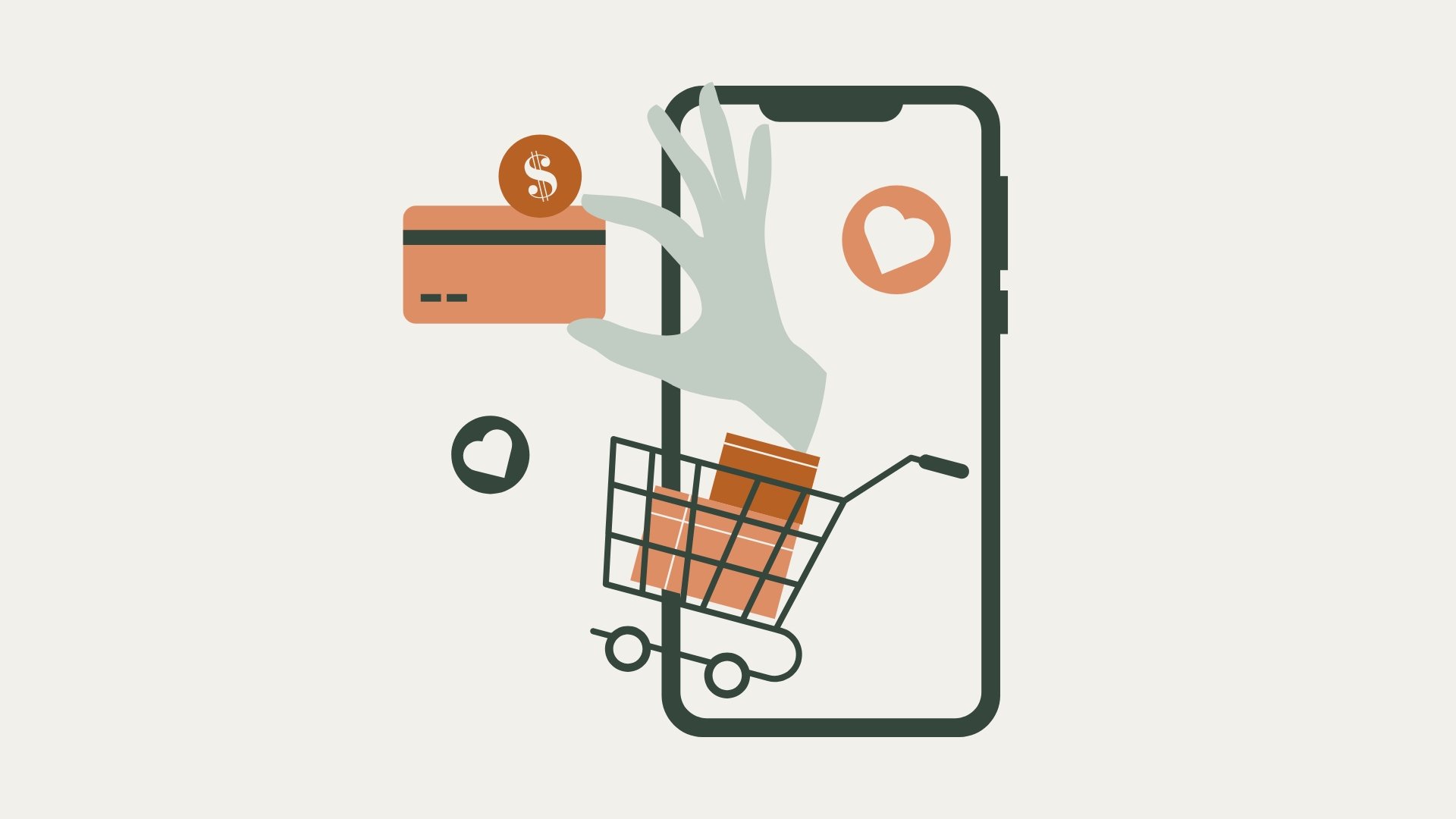
Direct to Consumer
(DTC)
Wholesale
Wholesale involves selling your products to retailers who then sell them to consumers.
Examples include:
Independent boutiques
Specialty retailers
Department stores
Regional retail chains
Wholesale can dramatically increase your brand's reach while providing larger purchase orders than direct consumer sales.
Pros
Larger order volumes
Faster brand exposure
Increased retail credibility
More predictable purchasing cycles
Cons
Lower profit margins
Retailers control product merchandising
Production deadlines become much more important
Higher inventory commitments
Best for:
Brands with established production partners
Businesses ready to scale operations
Founders with consistent manufacturing processes
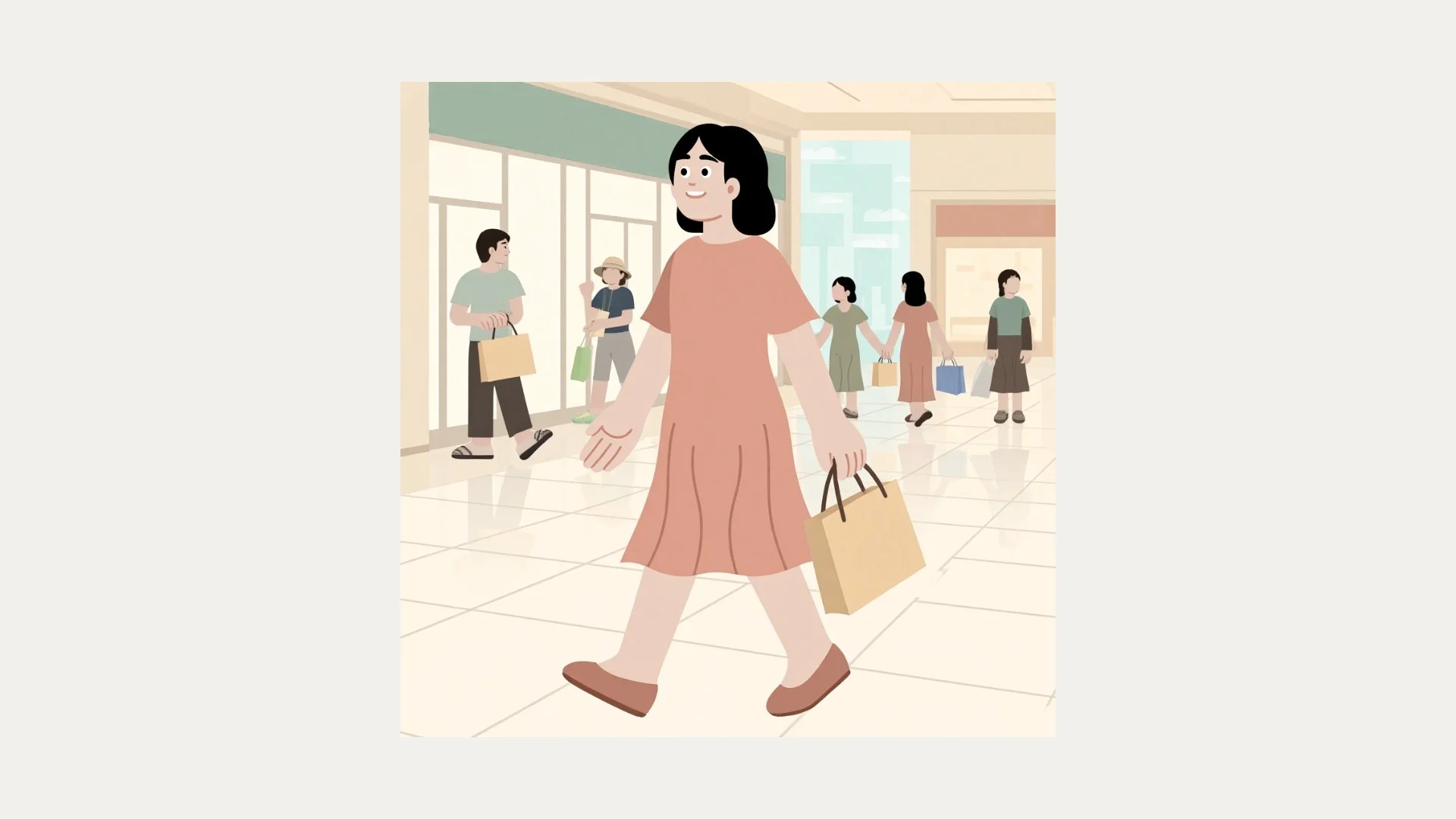
Wholesale
Online Marketplaces
Marketplaces allow brands to leverage existing platforms with built-in customer traffic.
Popular examples include:
Etsy
Faire
Amazon
Wolf & Badger
Instead of driving every customer to your own website, these platforms help shoppers discover your products organically.
Pros
Existing customer traffic
Lower upfront marketing investment
Easier product discovery
Faster path to initial sales
Cons
Marketplace fees reduce margins
Heavy competition
Limited customer relationship ownership
Reliance on marketplace algorithms
Marketplaces can be an excellent way to validate product demand, but many brands eventually encourage repeat customers to shop directly through their own website.
Online Marketplaces
Amazon, Etsy, Faire, Wolf & Badger
Pop-Up Shops & Markets
Pop-up shops, craft markets, fashion events, and trunk shows provide an opportunity to connect with customers face-to-face.
These experiences offer something e-commerce can't—real-time conversations with your audience.
Pros
Immediate customer feedback
Increased local brand awareness
Instant sales opportunities
Ability to test new products before larger production runs
Cons
Time-intensive
Limited geographic reach
Staffing requirements
Booth fees and event costs
For emerging brands, pop-ups can be one of the most valuable ways to understand customer preferences before making larger inventory investments.
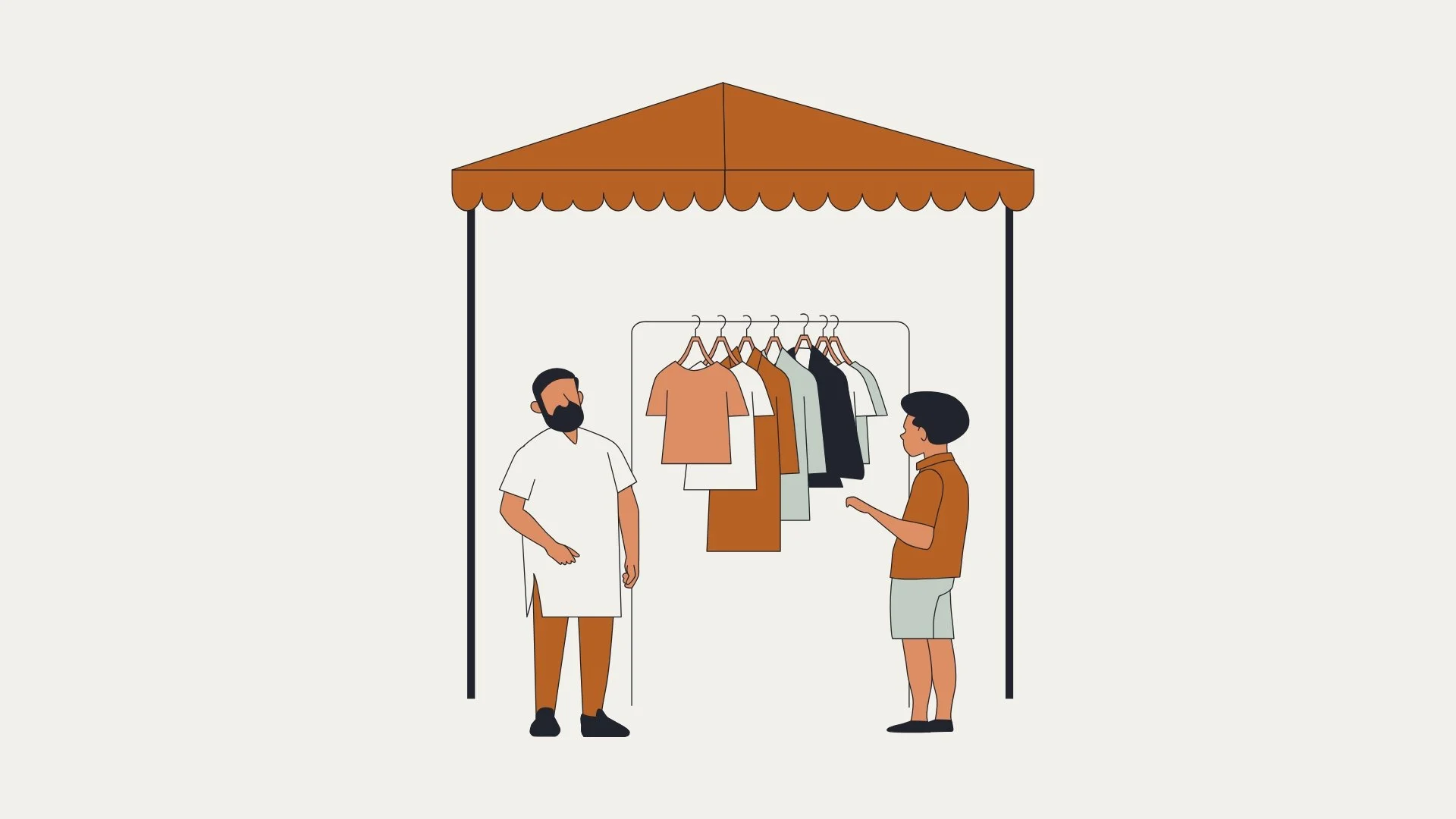
Pop-Ups & Markets
Retail Partnerships & Consignment
Retail partnerships don't always require traditional wholesale purchasing.
Some boutiques operate through consignment, where they display your products in-store, but only pay you after an item sells.
Unlike wholesale, where retailers purchase inventory upfront, consignment allows retailers to reduce their risk—but often increases yours.
Pros
Easier entry into boutique retail
Increased local visibility
Opportunity to build retailer relationships
Cons
Delayed payments
Greater inventory risk
Less predictable revenue
Consignment can be a great opportunity for newer brands looking to gain exposure, but it's important to have clear agreements regarding inventory ownership, payment timelines, and product returns.
Consignment
Social Commerce
Social media has evolved into a powerful sales channel.
Platforms like:
Instagram Shop
TikTok Shop
Facebook Shop
allow customers to discover and purchase products without leaving the app.
Pros
Frictionless purchasing experience
Great for impulse buying
Integrates seamlessly with content marketing
Helps shorten the buying journey
Cons
Constant platform updates
Dependence on algorithms
Requires consistent content creation
For many fashion brands, social commerce works best when paired with a strong ecommerce website rather than serving as the only sales channel.
Social Commerce
TikTok Shop, Instagram Shop, Facebook Shop
Questions to Ask Before Choosing a Sales Channel
Instead of asking, "Which sales channel is best?" ask yourself which sales channel is best for your business today.
Consider these questions:
Who is my target customer?
Where does my customer already shop?
How much inventory can I realistically produce?
Can I support wholesale minimum order quantities?
What is my marketing budget?
Do I want to own my customer relationship?
How much operational complexity can I manage?
What are my long-term growth goals?
Your answers will often point toward the sales channel that makes the most sense for your current stage of business.
Remember, you don't need to be everywhere at once.
Common Mistakes Fashion Founders Make
Choosing a sales channel is exciting, but rushing the decision can create costly setbacks.
Some of the most common mistakes include:
Trying to launch across every sales channel at once
Pursuing wholesale before production is stable
Ignoring profit margins
Pricing products incorrectly for multiple channels
Underestimating inventory requirements
Overlooking customer acquisition costs
Following competitors instead of building a strategy that fits their own business
Growth doesn't happen because you're selling everywhere. It happens because you've built strong systems that support sustainable expansion.
Starting small often creates a much stronger long-term foundation than trying to scale too quickly.
Choosing The Right Sales Channel for Your Fashion Brand
The "right" sales channel isn't necessarily the one that reaches the most customers—it's the one that supports your business goals, available resources, and stage of growth.
Many successful brands begin with one or two channels, refine their operations, build customer relationships, and then expand strategically over time.
At ARD Fashion Consulting, we help fashion founders evaluate their goals, develop scalable launch strategies, and create distribution plans that align with their brand vision and operational readiness. Whether you're preparing for your first launch, exploring wholesale opportunities, or expanding into new sales channels, we're here to help you make informed decisions with confidence.