

Conducting a Competitive Analysis for Your Fashion Brand (2026 Guide)
Launching or scaling a fashion brand in today’s market without understanding your competition is risky, inefficient, and costly.
In this 2026 guide, Amanda Rango of ARD Fashion Consulting will walk you through what a competitive analysis actually is, how to identify your competitors, what data truly matters, and how to use that information to build a stronger, more differentiated fashion brand.

What is a Competitive Analysis in Fashion?
A competitive analysis is the process of researching and evaluating brands that operate in a similar space to yours. This includes examining their products, pricing, brand identity, customer experience, and marketing strategies to understand where your brand fits within the market—and where it can stand apart.
It’s not about copying what others are doing. It’s about identifying gaps, new opportunities, and strategic advantages, so you can make informed decisions for your brand.
Why does it matter?
In a $1.7 trillion global fashion industry, knowing your competition isn’t optional—it’s a must-have strategy.
A well-executed competitive analysis helps you:
Differentiate your brand in a crowded market
Set pricing that supports both profitability and perceived value
Clarify your brand positioning
Better understand your target customer’s expectations
Avoid costly trial-and-error decisions
Ultimately, it gives you control over your narrative instead of reacting to the market after the fact.
Identify Your Direct & Indirect Competitors
Before you analyze anything, you need to know who you’re analyzing. Many fashion founders only focus on obvious competitors and overlook brands that influence their customers’ buying decisions in less direct ways.
What is a Direct Competitor?
Direct competitors are brands that:
Sell similar product categories
Target the same customer demographic
Operate at similar price points
Serve the same use case
For example, if you’re launching a contemporary women’s denim line at a $98–$148 retail price point, other contemporary denim brands in that same category are your direct competitors.
What is an Indirect Competitor?
Indirect competitors don’t sell the exact same product, but they compete for the same customer’s budget or attention. This could include:
Adjacent categories (activewear vs. loungewear)
Fast fashion alternatives
Multi-category lifestyle brands
Subscription or resale platforms
These brands shape your customers’ expectations around pricing, convenience, and shipping, making them just as important to monitor as direct competitors.
What is an Aspirational Competitor?
An aspirational competitor is a brand that operates at a higher tier than your current position and represents where you aim to grow. These brands may be:
At a higher price point
More established in the market
Known for premium quality, innovation, or strong brand authority
Rather than posing a direct sales threat today, aspirational competitors serve as strategic benchmarks.
They model the level of design, branding, customer experience, and market presence your brand is working toward. Studying them helps you reverse-engineer success and set long-term goals for your own growth.
How to find your competitors
To build a strong competitor list:
Search your product category on Google and marketplaces
Analyze brands your audience already follows on social media
Review retailers that would logically carry your brand
Use hashtags, influencer tags, and press features
Ask your customers what other brands they shop
Create a working list of 5–10 core competitors to analyze consistently.

What to look for in your competitors
Product
Review their:
Product assortment and depth
Fabric quality and material choices
Fit and size inclusivity
Unique design details and innovation
Seasonal drops and cadence
Ask yourself: What are they known for and what are they missing?
Pricing
Study:
Retail price points
Promotions, markdown cadence, and sales strategy
Perceived value vs. actual construction
This helps you price strategically instead of emotionally.
Brand Identity
Evaluate:
Visual branding and consistency
Storytelling and messaging
Mission, values, and brand purpose
Founder voice and positioning
Your brand identity is often your strongest differentiator when products feel “similar” across the market.
Customer Experience
Look closely at:
Website navigation and UX
Mobile experience
Packaging and unboxing
Shipping, returns, and fulfillment policies
Customer service responsiveness
Luxury and value are often communicated through experience, not just product.
Marketing Channels
Track:
Social media platforms and content types
Email marketing cadence and tone
Influencer and creator partnerships
Paid ads and brand collaborations
Pay attention to what’s driving engagement, not just what looks good.
How to Position Your Brand Ahead
Collecting competitor data is only valuable if you actually apply it. The goal isn’t to blend in—it’s to deliberately stand out.
Determine Strengths and Weaknesses
A SWOT analysis (Strengths, Weaknesses, Opportunities, Threats) is one of the most effective tools for turning insight into strategy.
Evaluate:
Your internal strengths and weaknesses
External market gaps and risks
Areas where competitors are overperforming or under-serving
This creates a realistic roadmap instead of aspirational guesswork.
Define your USP (Unique Selling Proposition)
Your USP is the reason someone chooses your brand over all the others. It’s the heartbeat of your positioning — and without a clear one, even the best designs can get lost in the noise.
A compelling USP might be:
A proprietary fit, patented fabric, or material innovation
A deep connection to a cultural or niche community
A product designed to solve a specific functional need
A commitment to ethical sourcing or radical transparency
A made-to-order model, customization, or speed-to-door
A founder story that resonates emotionally and builds trust
Whatever it is, your USP should be both distinct and relevant — anchored in what your customer cares about most. If your USP feels vague, your audience will feel it too.
Clarity builds confidence. Specificity builds sales.
Examples of USP
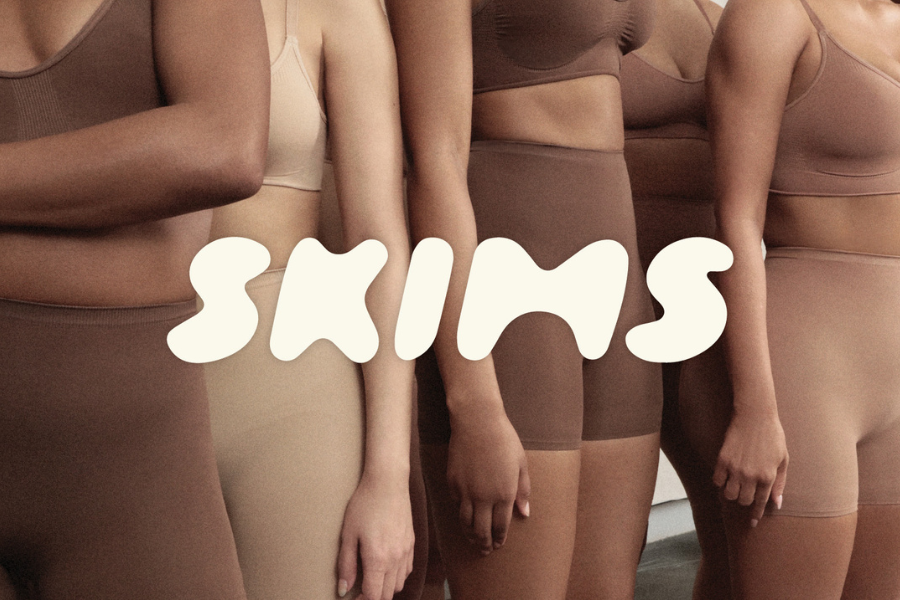
SKIMS
USP: Second-skin solutions for every body.
Shapewear and essentials brand by Kim Kardashian offering inclusive sizing, seamless construction, and fashion-forward neutral tones.
Why it works: It fills a major gap in the market — stylish, functional undergarments that actually fit all body types.
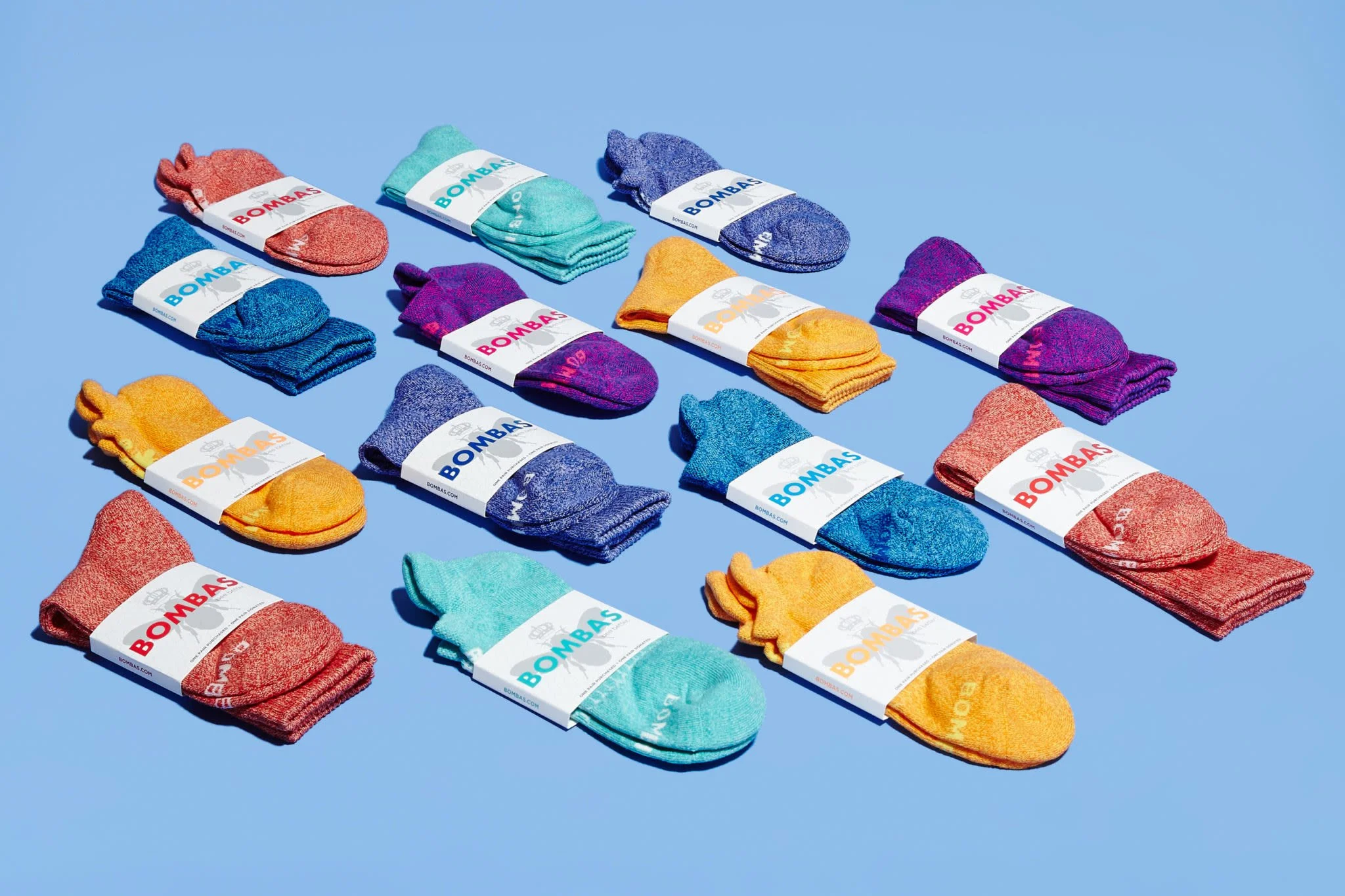
Bombas
USP: Comfort + cause.
They redesigned basics like socks and underwear with better construction, and donate one item for every item sold.
Why it works: Functional innovation + emotional impact = loyal customer base.
Common Mistakes to Avoid
Even well-intentioned founders can misuse competitive analysis. Here are the most common pitfalls we see.
Copying instead of innovating
Research should inform your decisions, not replace your creativity. Mimicking design, pricing, or branding too closely weakens your position and increases legal and reputational risk.
Over-analyzing and delaying action
It’s easy to fall into analysis paralysis. Competitive research should guide execution—not slow it down. Set time limits, define clear objectives, and move forward decisively.
Ignoring smaller/emerging competitors
Today’s “small brand” could be tomorrow’s category leader. Early-stage brands often drive innovation faster than established ones. Pay attention to what’s emerging, not just what’s already dominant.
Resources for Fashion Founders
A competitive analysis isn’t a one-time exercise—it’s an ongoing strategic tool that should evolve as your brand grows.
When done correctly, it empowers you to design smarter collections, price with confidence, connect more deeply with your customer, and build a brand that leads the market.
At ARD Fashion Consulting, we help founders translate competitive insight into real, profitable product strategy—from concept to production to launch.
If you’re ready to sharpen your positioning and build with intention, our team would love to support you.